

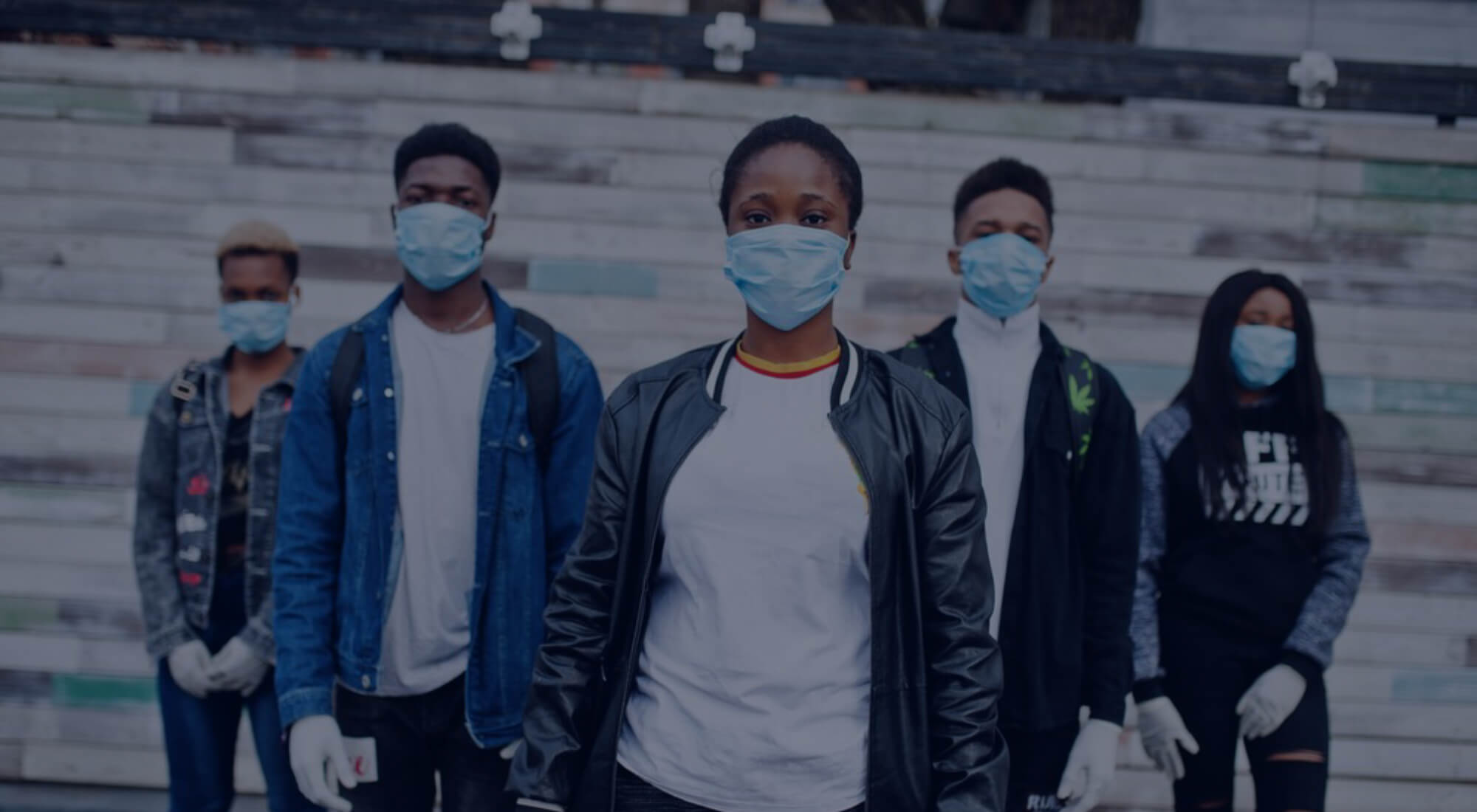

Black Youth Empowerment and Social Inclusion for Mental Well-being (B'YES Program)
The B’YES Program, led by ACPNet, aims to address the unique mental health challenges faced by Black youth aged 15–24 in BC’s Lower Mainland, including newly arrived immigrants, refugees, and youth affected by or living with HIV. This initiative has been made possible through a financial contribution from the Public Health Agency of Canada. The views expressed herein do not necessarily reflect those of the Public Health Agency of Canada.
What We Do
1.
Identify and understand the mental health barriers faced by Black youth.
2.
Build capacity and resilience: We offer culturally tailored mentorship and skill-building workshops on computer literacy, job search strategies, language learning, resume writing, and soft skills to enhance resilience and employability among Black youth.
3.
Create safe spaces: Our storytelling, conversation circles, and drama workshops foster safe spaces for Black youth to share experiences, challenge stigma, and build meaningful community connections.

Why It Matters
Black youth in BC face significant mental health barriers due to systemic racism, stigma, social exclusion, and employment challenges. Traditional mental health resources often lack cultural relevance, leaving critical needs unmet.
The B’YES Program fills these gaps by providing culturally sensitive support, empowering youth with essential life skills, and fostering strong community networks.
Who Benefits
-
Black Youths
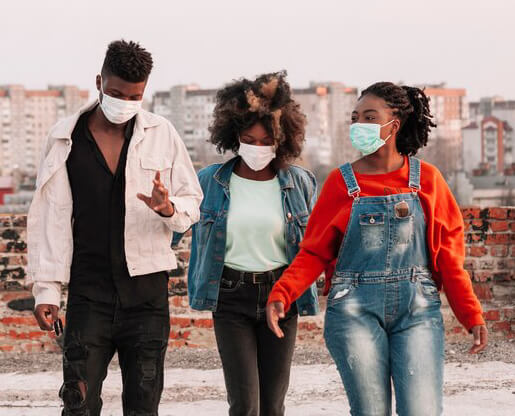
Black youth aged 15-24, including immigrants, refugees, and those affected by HIV.
-
Families and Caregivers
Families and caregivers who gain awareness to better support their youth.
-
Community Leaders and Counsellors
Community leaders and counsellors who benefit from increased engagement and advocacy from informed youth.
Voices from Black Youth
In our community, mental health isn’t really talked about. When I opened up, my parents just told me to be strong and stop crying over small things.
Barriers to Mental Health Support
Some of us were told it’s just a spiritual issue or that we’re being weak. That makes it really hard to even ask for help.
Barriers to Mental Health Support
We need Black therapists- people who actually get where we’re coming from. But they’re so hard to find, and when we do, they’re always full or far away.
Barriers to Mental Health Support
I went to a school counselor once, but they didn’t really help. It felt like they didn’t care or understand me.
Barriers to Mental Health Support
I want help, but I honestly don’t even know where to go. No one talks about where Black youth can get support.
Barriers to Mental Health Support
Racism is a big part of why we struggle. I’ve had teachers ignore me in class or let others talk over me just because I’m Black.
Mental Health Challenges Faced by Black Youth
We’re expected to always be strong, like showing emotions means you’re weak. It’s exhausting.
Mental Health Challenges Faced by Black Youth
Sometimes I wish I didn’t have dark skin or an accent. I feel like I have to change who I am just to fit in.
Mental Health Challenges Faced by Black Youth
It’s not just about us- it’s about the systems we’re in. Immigration, housing, racism... it all adds up.
Mental Health Challenges Faced by Black Youth
I’m usually the only Black person in my class. It makes me feel like I don’t belong.
Mental Health Challenges Faced by Black Youth
I’d rather talk to my friends or siblings. They get me more than any adult or counsellor.
Coping Strategies and Help-Seeking Patterns
When I’m stressed, I listen to Afrobeat, I draw, or just go for a walk. It helps clear my head.
Coping Strategies and Help-Seeking Patterns
When things get really hard, I just shut down and stay in my room. It feels safer that way.
Coping Strategies and Help-Seeking Patterns
Resources
-
B’YES toolkits
One combined package PDF (the full toolkit in a single file)
- One PNG version (individual pages, not combined)
-
2-day B’YES Career Readiness Workshop
October 4, 2025 — Day 1: Resumes & Cover Letters
- October 5, 2025 — Day 2: Job Search & Interview Skills
-
Download Ad Hoc Literature Review
Key Social Determinants of Mental Health Affecting Black Youth in Canada and the Role of Culturally Tailored, Community-Based Interventions.
-
Download Brochure - Black Youth Mental Health Resources and Support in BC
Resource Map
Use our map directory to find the closest clinic or resources and even get directions. Type in your address in the search box, and then press enter to see the places near you
Maps by WP Go Maps